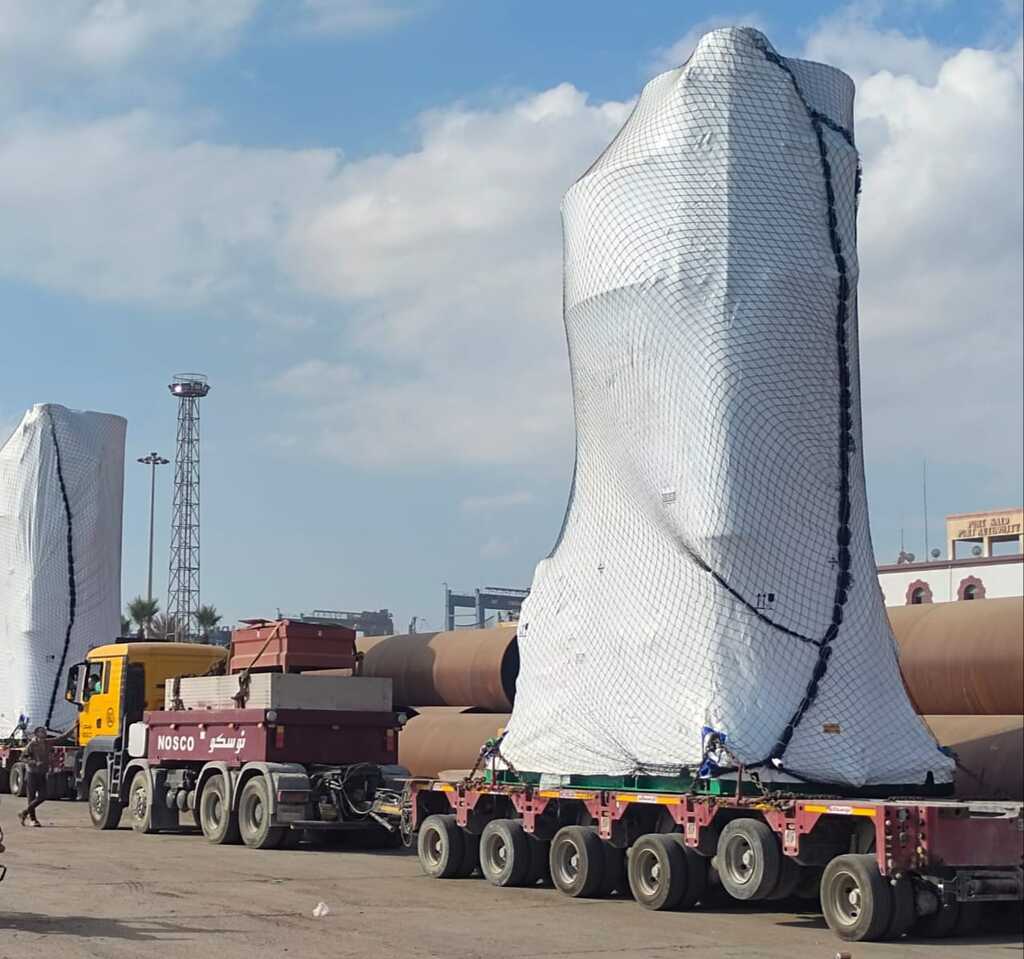
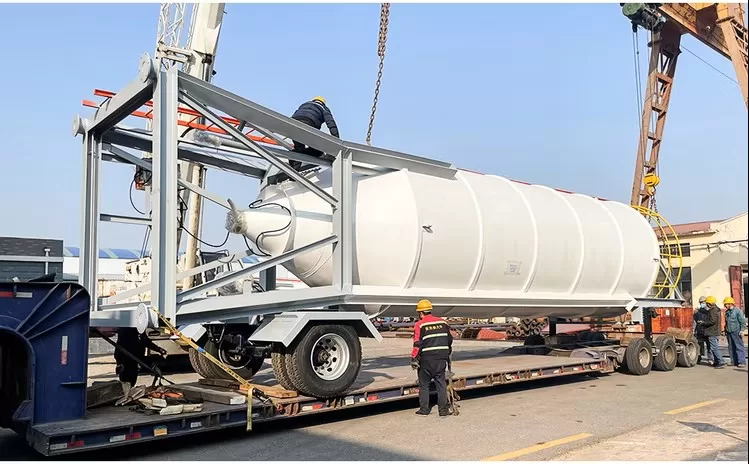
Shipping large-scale projects is among the most challenging types of shipping. Shipments in this category are extremely large-scale operations requiring specialized procedures for transport. Large projects often consist of numerous heavy-duty components, necessitating extensive pre-planning and specialized equipment for their shipment.
What is project shipping?
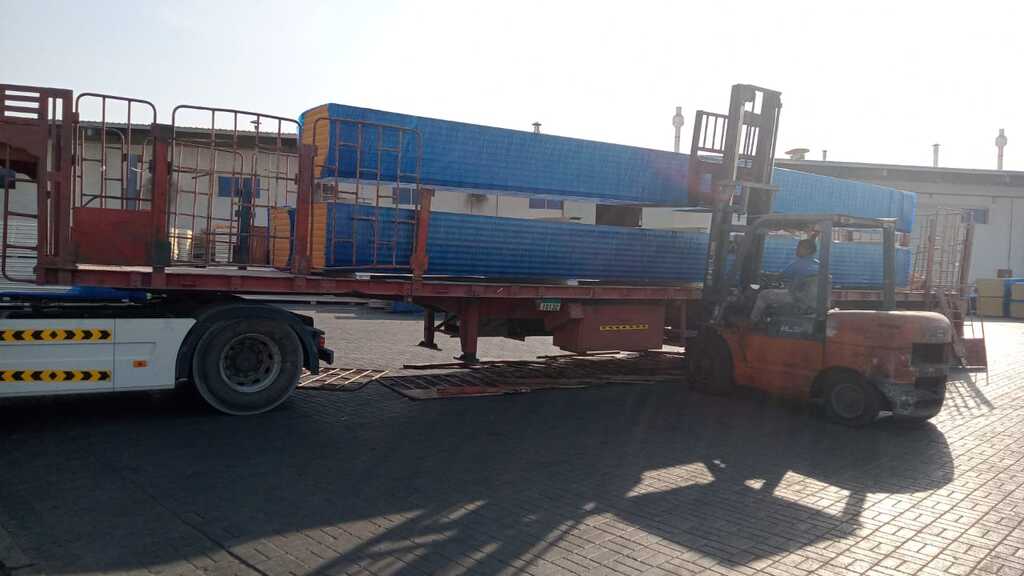
Project shipping, or "project shipping," is a term widely used in the logistics industry to describe the transport of very large pieces of equipment for projects, whether domestically or internationally. It's worth noting that transporting such large pieces of equipment presents several challenges. First, numerous safety procedures must be followed, as improper handling of large equipment can result in injuries to workers and damage to the transport vehicles. Second, shipping large pieces for such projects can be time-consuming, as the loading and unloading of such large equipment is itself a lengthy process. Third, shipping project goods and equipment must utilize specialized and non-traditional transportation methods.
Examples of materials for large projects:
Wind turbines used in renewable energy
Metal tanks and massive metal structures
Rockets used in space science
Tanks, aircraft, and military equipment used by the army
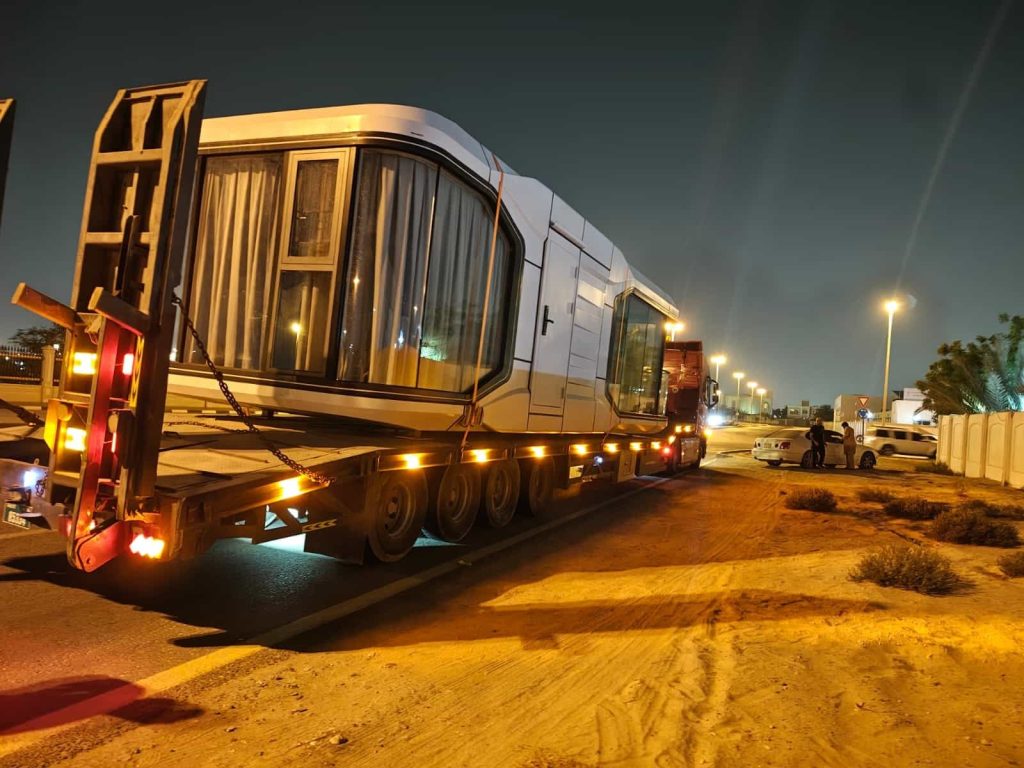
Prefabricated houses that are disassembled into large pieces and parts for easier shipping
Prefabricated bridges and massive structures
Tunnel boring machines
locomotives
Dismantled oil and gas facilities
How are the components of large projects shipped?
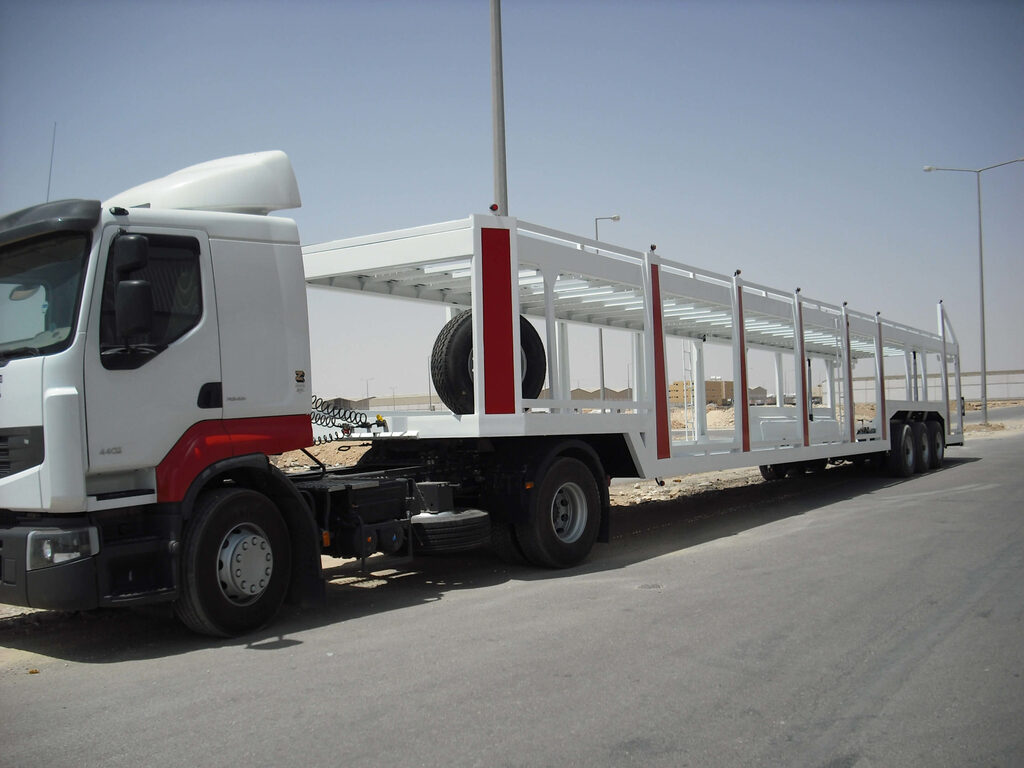
Because most components in large projects are heavy and bulky, and many are indivisible parts weighing anywhere from one to hundreds of tons and exceeding tens of meters in width or height, they are classified as heavy lifting loads. Therefore, the most common methods used to transport these large projects are land and sea freight. These methods facilitate the easy transport and loading of such massive components onto land carriers or ships, and their subsequent local or international shipment. However, it's important to note that specialized vehicles, vessels, and equipment are required to transport these items safely and efficiently by land or sea.
Post Views:303
Cookie Consent
We use cookies to improve your experience on our site. By using our site, you consent to cookies.